
Window Tint in Melbourne, FL: Heat, UV Protection & Florida Laws
Film types, heat rejection, UV performance, visibility, maintenance, and current Florida tint regulations for Space Coast drivers.
Why window tint matters in Florida
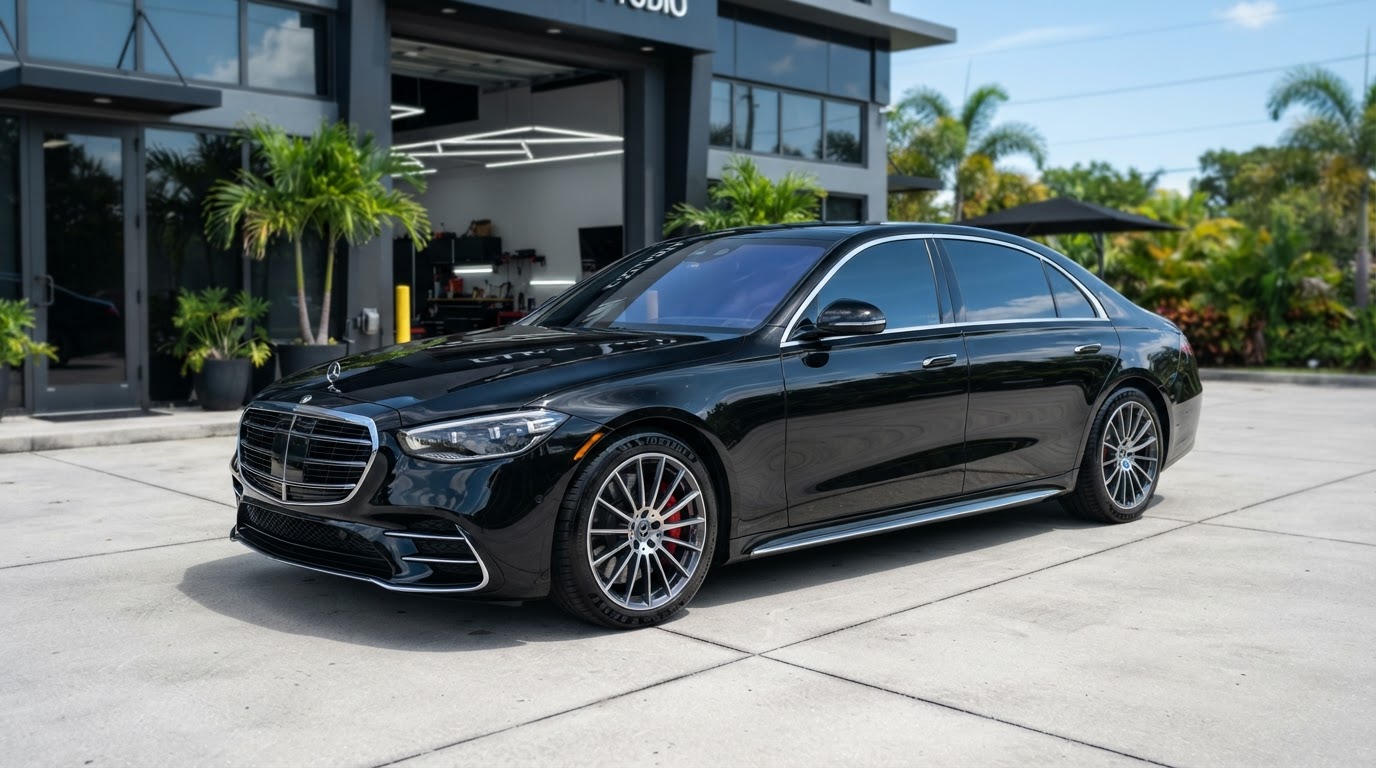
Window tint in Florida isn't just about looks. The sun here is intense enough that tint is a practical comfort and protection upgrade — it reduces heat, cuts UV, and makes the cabin genuinely more livable. For drivers in Melbourne and Palm Bay, the right tint makes a measurable difference in how the car feels and how the interior ages.
But tint is also regulated. Florida has specific laws about how dark you can go, and they differ for different windows. Here's what you need to know.
What tint actually does
A quality window film does three things:
Heat rejection
Tint reduces the solar heat that enters the cabin. Less heat means the AC works less hard, the cabin cools faster, and the seats and steering wheel aren't as hot. The difference is especially noticeable on a car parked in the Florida sun.
UV protection
Quality film blocks nearly all UV from entering through the glass. That protects your skin from UV exposure during long drives, and it protects the interior — leather, dash, and upholstery — from UV fading and cracking. UV is the biggest factor in interior aging, and the windows are where it enters.
Glare reduction
Tint cuts glare from the sun and from other vehicles' headlights, which makes driving more comfortable and safer.
Film types
Not all tint is the same. The main categories:
- Dyed film — the most affordable. Absorbs heat, gives a dark look, but has the lowest heat rejection and can fade over time.
- Metalized film — reflects heat using metallic particles. Good performance but can interfere with electronics and GPS.
- Hybrid film — combines dye and metal for a balance of performance and price.
- Ceramic film — the premium option. Uses ceramic particles that block heat and UV without interfering with electronics, and without the dark, mirrored look. Ceramic offers the best heat rejection for a given level of darkness.
For Florida, ceramic film is worth considering — it gives strong heat rejection even at lighter shades, which matters if you want performance without going to the legal darkness limit.
Florida tint laws
Florida regulates window tint by Visible Light Transmission (VLT) — the percentage of visible light that passes through the film and glass combined. The key rules:
- Windshield: Non-reflective tint is allowed above the manufacturer's AS-1 line (the upper portion of the windshield). The most common allowance is a strip along the top.
- Front side windows: Must allow more than 28% of light in (VLT of 28% or lighter).
- Back side and rear windows: Must allow more than 15% of light in (VLT of 15% or lighter).
- Reflectivity: Front and back side windows can't be more than 25% reflective.
These are the general rules. Always verify against current official Florida sources before having tint installed, as regulations can change and specific vehicle types may have different allowances.
Choosing the right shade
The legal limits give you a range. How dark to go within that range depends on your priorities:
- Lighter shades keep better visibility, especially at night, while still cutting heat and UV. A good choice if you drive a lot at night or prefer a subtle look.
- Darker shades give more heat rejection and privacy but reduce visibility, especially at night and when backing up.
Ceramic film lets you get strong heat rejection at a lighter, legal shade — so you don't have to go dark to get the performance. That's the main reason ceramic is popular for Florida daily drivers.
Maintenance
Tint needs a short curing period after installation — typically a few days — during which the windows shouldn't be rolled down. After curing, tint is low-maintenance:
- Clean with a soft cloth and tint-safe cleaner. Ammonia-based cleaners can degrade the film over time.
- Don't use abrasive scrubbers or razor blades on tinted glass.
- The film may look slightly hazy or have small water bubbles for a few weeks after installation — this is normal curing and clears up.
What to ask for
If you're considering tint in Melbourne or Palm Bay:
- Ask about film type — ceramic gives the best performance for the shade.
- Confirm the VLT is within Florida legal limits for each window.
- Ask about warranty — quality film comes with a manufacturer's warranty against bubbling, peeling, and fading.
- Have the existing tint removed properly if you're replacing old film — old adhesive has to come off clean or the new film won't lay right.
The right tint for a Florida car balances heat rejection, UV protection, legal compliance, and your visibility preference. We can walk through the film options and shades and help you pick what fits how you drive.
Frequently Asked Questions
Done reading? Let's get your car looking its best.
Your vehicle deserves professional attention.
Your vehicle deserves more than a car wash.
Tell us what you drive and what you want to protect. We'll help you choose the right solution.
1539 Georgia Street NE · Palm Bay, FL 32907